Ulrich Griffin · 31 August 2026
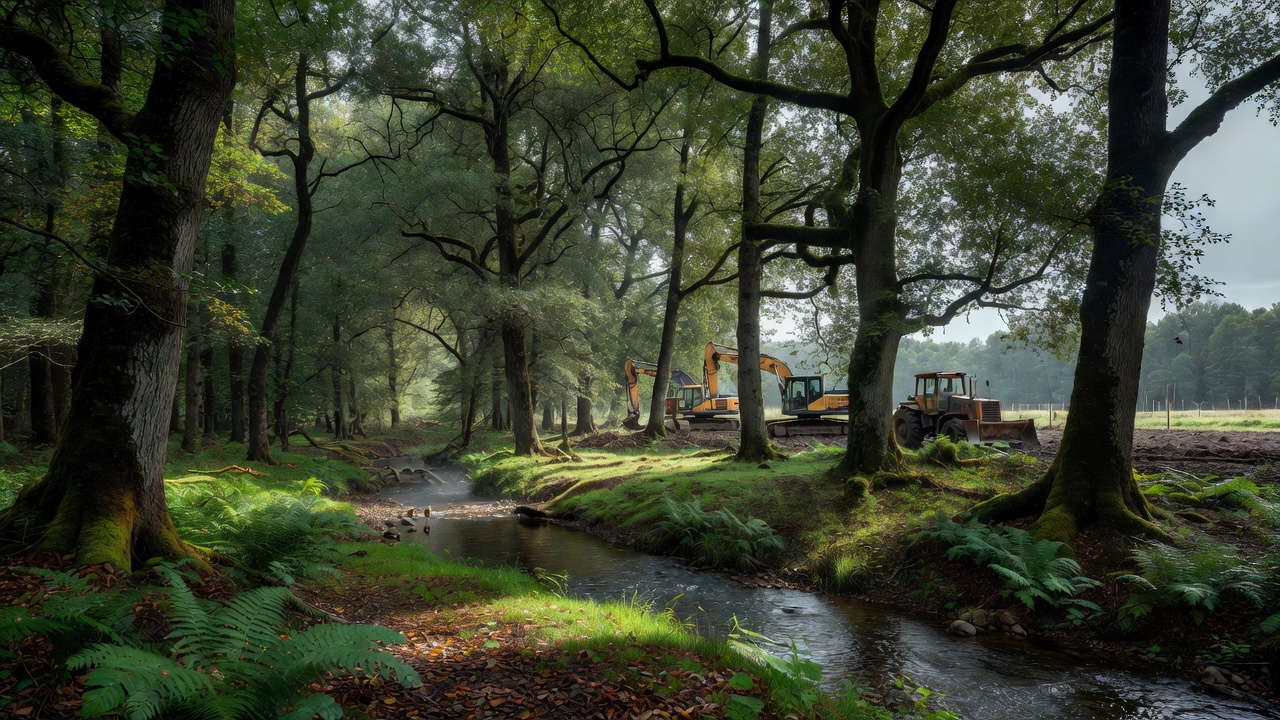
Erlewald Forest's alder groves are under pressure from new housing and infrastructure proposals approved by regional planners last month. These wet woodlands, known for their biodiversity, support rare plant species and provide essential flood control along the Erlewald River. Community groups have raised concerns that construction could fragment habitats and alter local hydrology.
Ecological Value and Risks
Alder groves in the area feature black alder trees that stabilize soils in floodplain zones. They host amphibians, insects, and birds not found elsewhere in the forest. Recent surveys recorded over 120 native species within the groves. Proposed developments include 250 new homes and an access road that would cross two streams feeding the groves. Experts warn that increased runoff could raise water levels and introduce pollutants, stressing the alders which prefer stable moisture. Past logging in adjacent sections reduced canopy cover by 15 percent, making the remaining stands more vulnerable to edge effects from roads and buildings.
Environmental assessments submitted to the council highlight potential loss of 18 hectares of grove habitat. Mitigation measures suggested include buffer zones, but residents argue these are insufficient given the groves' interconnected root systems. Seasonal flooding patterns, documented over 30 years, show the area absorbs peak flows that protect downstream communities.
Local Opposition and Next Steps
Erlewald residents have formed a preservation committee that collected 1,200 signatures opposing the plans. Public meetings drew more than 300 attendees who called for alternative sites on higher ground outside the forest. The group proposes expanding existing trails for eco-tourism instead, which could generate revenue without clearing trees. Councilors are scheduled to review revised plans next quarter after receiving updated environmental data. Meanwhile, monitoring stations have been installed to track water quality and wildlife movement through the groves. Preservation efforts focus on maintaining the forest's role as a community resource for recreation and education while addressing regional housing needs through sustainable planning.